
7 min read
Panama's location made it the crossroads of the world, and the food tells that story better than any history book. Ships, migrations, and empires all passed through this narrow strip of land, and each left something on the plate. Every dish here carries a lineage, and once you start tasting for it, you cannot stop.
Eat your way across the country and you trace centuries of arrivals and exchanges, coast by coast and town by town. For curious travelers, the table is the most honest introduction Panama offers, more revealing than any monument and far more delicious.
The Staples
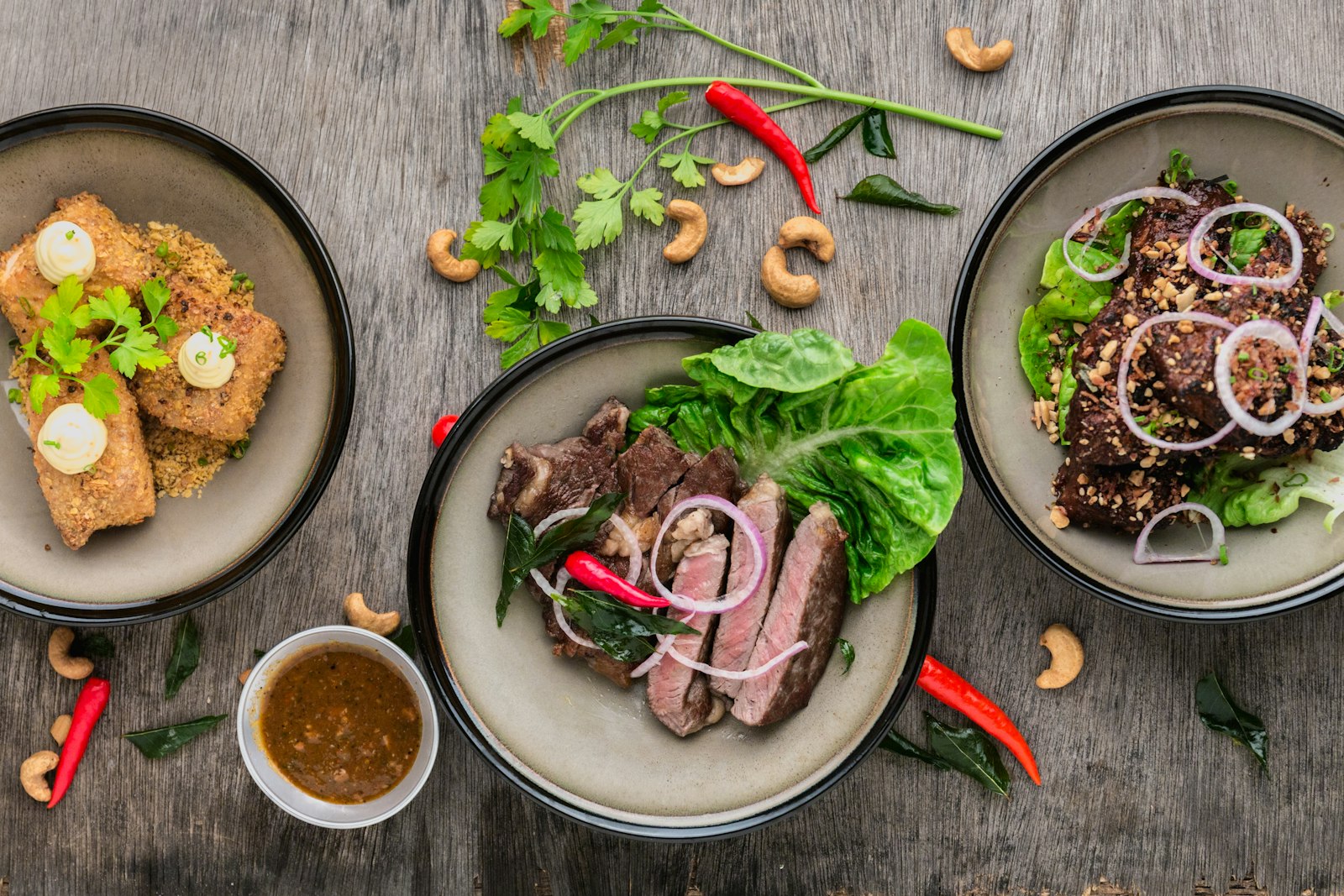
Start with the comfort dishes, the ones that anchor everyday life. Arroz con pollo turns up at countless family lunches, a one-pot mix of rice, chicken, and vegetables that every household makes a little differently. Sancocho de gallina, a deep chicken and root-vegetable soup scented with culantro, doubles as the national cure for a rough morning and the centrepiece of a Sunday gathering. Patacones, twice-fried green plantain pressed flat and salted, accompany almost everything and should never be skipped. Round the table out with carimañolas, golden yuca fritters stuffed with seasoned meat, and ropa vieja, slow-shredded beef in a rich tomato base. This is cooking that values warmth over flash, and depth over decoration.
The Seafood
Panama has two coasts, and the kitchens know exactly what to do with each. On the Pacific side, ceviche means firm white corvina cured in lime and brightened with culantro and a little onion, served cold and impossibly fresh. Cross to the Caribbean and seafood turns rich with coconut milk, warm spice, and a slower, deeper kind of flavour that owes its character to the islands. The contrast between the two is enormous, and chasing it from one coast to the other is reason enough for the journey. Order the same fish prepared both ways and you will taste two histories on the same trip.
The Market Culture
To understand the food, walk a market. The seafood market in Panama City moves at the speed of the morning catch, all ice and shouting and silver scales, with stalls upstairs ready to turn what you point at into lunch. Inland, the markets of Chiriquí pile high with highland vegetables, hand-made cheese, local honey, and fruit you may not recognize but should absolutely try. These places are sensory before they are practical. The smell of ripe mango, the colour of a stacked pyramid of peppers, the rhythm of vendors calling out prices. Go hungry and go early, before the best of it is gone.
Chinese-Panamanian Food
Here is one of the most underknown fusions on earth. Panama holds one of the largest Chinese-descended populations per capita in Latin America, the result of generations who arrived, settled, and made the country their own. The kitchens that grew from that history are remarkable, blending Cantonese technique with Panamanian ingredients into hybrid dishes that do not exist anywhere else in quite the same form. The neighbourhood fondas serve them without ceremony, to locals who have eaten them their whole lives. Seek them out. They are a quiet point of pride and a genuine surprise for travelers who thought they knew what Latin American food could be.
In Panama, asking where a dish comes from is the same as asking where the country comes from.
The Drinks
Wash it all down with intention. Chicha de maíz, a lightly sweet corn drink, cools a hot afternoon. Seco herrerano, distilled from sugar cane, is the national spirit and the backbone of a proper celebration, often mixed with milk and ice into something deceptively easy to drink. On the islands, fresh coconut water comes straight from the shell, hacked open in front of you. And the coffee from the Chiriquí highlands, especially the world-renowned geisha variety, ranks among the finest beans grown anywhere. Drink it black, drink it slow, and understand why people travel a long way for a single cup.
Panamanian food does not chase trends. It remembers. Every plate is a record of who arrived, what they carried, and how it all learned to share a table. Eat widely here and you leave understanding the country in a way no guidebook could manage.
Frequently Asked Questions
What is Panama's national dish?
Sancocho de gallina, a hearty chicken soup simmered with root vegetables and culantro, is widely regarded as the national dish. It appears at family gatherings, celebrations, and quiet recovery mornings alike, and it captures the comforting, unhurried heart of Panamanian cooking better than anything else on the table.
Is Panamanian food spicy?
Generally no. Panamanian cuisine leans on fresh herbs, citrus, and slow-cooked depth rather than heat. Chili sauces are usually served on the side, so travelers who prefer mild food can eat comfortably while those who want spice can add it to taste, dish by dish.
Where can I find the best seafood in Panama?
Both coasts deliver, in different styles. The Pacific side excels at lime-cured ceviche and fresh corvina, while the Caribbean coast is known for coconut-based seafood. City seafood markets and coastal towns are reliable places to eat it at its freshest, often within hours of the catch.