
Twenty minutes by boat from Panama's most photographed beaches, a cooperative of Ngäbe families grows organic cacao under forest shade the way it's been done for generations — and has decided to open the door and tell the story. It's the tour that changes how you understand Bocas del Toro.
Bocas del Toro has a curious image problem: it's too photogenic. The palms of Cayo Zapatilla, the sunsets over Bocas Town, the painted houses standing over the water. The archipelago hands you the postcard so easily that most travelers never reach the other half of the province — the mainland, where the jungle runs from the cordillera down to the Caribbean, and where much of the Ngäbe people, Panama's largest Indigenous nation, make their home.
It's there, in the hills above the coast, that one of the best-kept secrets of Panamanian gastronomy grows. Not in a restaurant. In a forest.
A crop you can't see from the sea
The cacao of Bocas del Toro isn't grown on a plantation, in rows under open sun. It grows under shade, inside the forest, among plantain, laurel, and fruit trees that give it canopy, humidity, and company. Agroforestry, the technicians call it. The Ngäbe farmers call it, more precisely, the way it has always been done.
The system has consequences you can taste on the palate and measure on the land. A shade-grown cacao grove is also a refuge: sloths, poison dart frogs the size of a fingernail, toucans — an inventory of life no open-field plantation can sustain. The cacao that comes out of it is organic not as a marketing certification but as a condition of origin: on these family farms nothing gets sprayed, because the forest itself does the work.
And that bean travels far. Fine cacao from this stretch of Panama's western Caribbean has ended up in the bars of craft chocolate makers across Europe and North America. The irony is a familiar one: for decades, the farmer watched the bean head to port while capturing almost none of its final value. That is exactly what a group of families decided to change.
Oreba: the cooperative that opened the door
In the hills near Almirante, more than thirty Ngäbe families make up the Oreba cooperative, which has been producing organic cacao for years and — this is the remarkable part — runs its own community tourism project, with no middlemen keeping either the story or the margin.
The Oreba Chocolate Tour works like this: a guide from the community, almost always a farmer, walks you deep into the growing land. The hike is real — jungle trails, climbs that collect their toll in sweat — and so is the narration. You learn to read a cacao tree: the pods sprouting straight from the trunk, the color spectrum from green to garnet as they ripen, the exact crack of a pod opened properly. You taste the fresh pulp, white and citric, which doesn't taste like chocolate at all — more like soursop with lime — and which is the day's first surprise for nearly everyone.
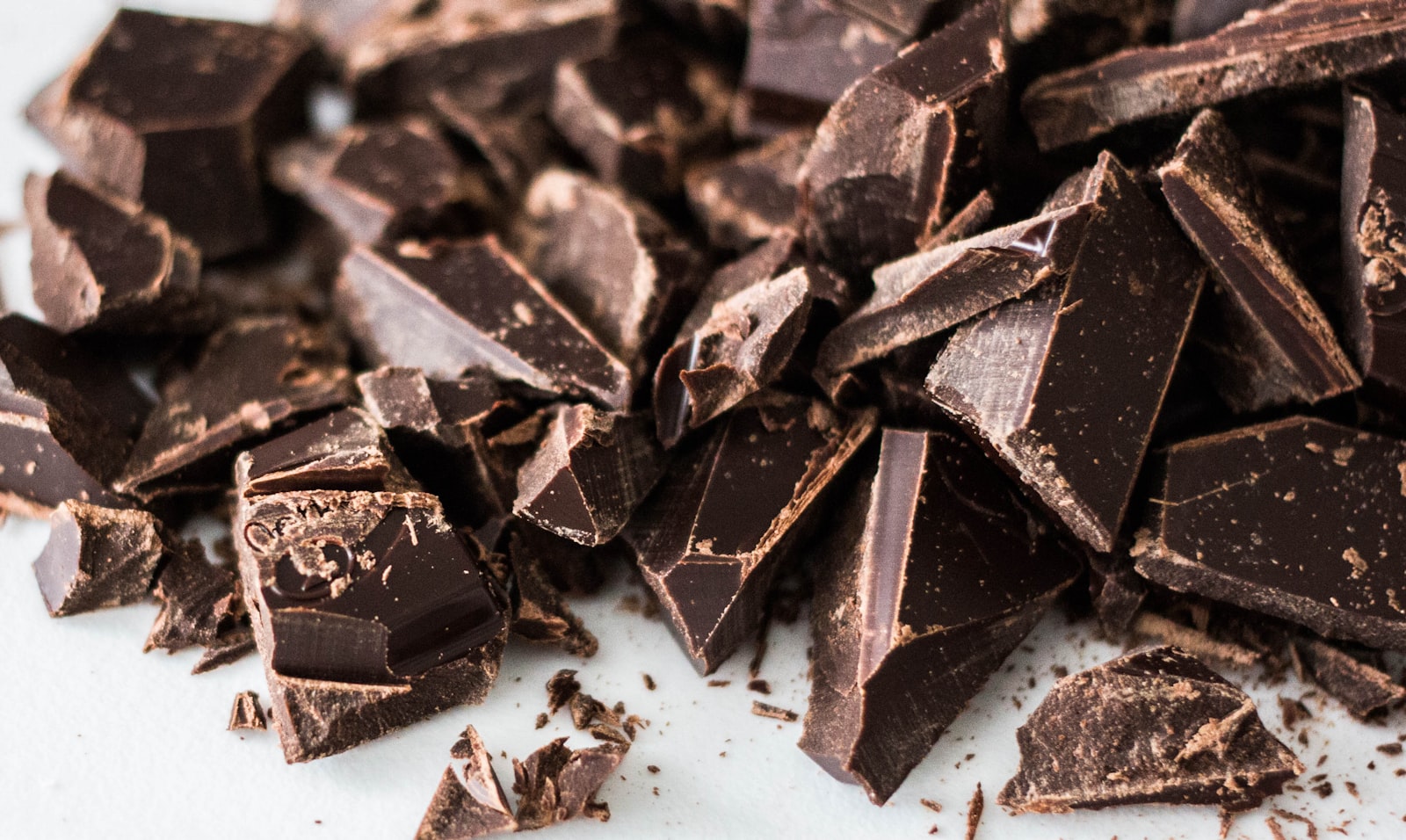
Then comes the process, and here the tour turns into a master class in patience: fermentation in wooden boxes, which defines the bean's character; sun-drying; roasting over a wood fire. In the final stage, the women of the community take charge and demonstrate the full transformation — winnowing, stone-grinding, the traditional kneading with sugar — until it appears, warm and coarse-grained: a chocolate that resembles nothing that comes wrapped in foil.
Lunch is served in the community. The tour's income stays there: a portion goes directly to education and healthcare. The price — between $25 and $37 depending on group size — is among the best-spent money in the country, and it's worth saying without hedging: few experiences in Panama offer this ratio of what you pay to what you come to understand.
What the cacao tells you
There's a narrative temptation this piece wants to avoid: turning the community into exotic scenery for a gourmet experience. The reality is more interesting. For these families, cacao is an economy, a technical inheritance of more than sixty years of continuous production, and — increasingly — a negotiating tool with the outside world. Community tourism done well, and Oreba is a case study in doing it well, doesn't exhibit a culture. It puts that culture in conversation, on equal footing.
The attentive visitor leaves with more than chocolate. You leave with a lesson in inverted geography: Bocas isn't an archipelago with a continent in the background, but one continuous territory where sea and mountain, leisure and labor, the resort and the farm sit twenty minutes apart by boat. Almost nobody crosses that distance.
Cross it.
How to do it right
The visit takes minimal logistics but some intention. Book ahead — directly with the cooperative or through operators who work with it — leave early from Bocas Town or Almirante, and budget three to four hours. Closed shoes, repellent, cash. The hike demands basic fitness; in exchange, the mainland jungle gives you what the islands mostly no longer can: the feeling of being somewhere that was not designed for you.
Two notes of curation. First: buy chocolate there, as much as you can carry; the money reaches the people who did the work without stopovers, and the bars travel well. Second: if your itinerary allows only one day away from the beach in Bocas, this is the day. The cays will still be there, identical to their photograph. The cacao grove only makes sense on foot.

One last detail stays with you long after the trip. Ceremonial chocolate — the bean roasted, ground, and whisked into hot water, nothing more — was for centuries a drink of gathering in the cultures of this part of the world. In the hills of Bocas it still is: it's offered to the visitor at the end of the walk, in a plain cup, with the ease of someone sharing something that never stopped being theirs. It isn't a tasting. It's a welcome. And in a country that sometimes doubts how much it has to offer, that cup holds an answer.
The practical file
Getting there: From Bocas Town, boat to Almirante (25–30 min) plus a short transfer to the community; also reachable from Changuinola or en route to/from the Costa Rica border.
Duration: 3–4 hours (hike + demonstration + lunch).
Cost: $25–37 per person depending on group size.
When to go: Year-round; cacao has two main harvests. Rain is always possible — it's the Caribbean, that's the point.
Bring: Closed shoes, repellent, water, cash, an appetite.