7 min read
Most travelers fly into Panama City, look up at the skyline, and stop there. That is a mistake worth correcting. Three hundred miles to the west, the land rises into something quieter and far older. The air turns cool. The soil turns volcanic. The peaks vanish into cloud by mid-morning and reappear by dusk, as if the whole region were breathing.
This is Chiriquí. It rewards the travelers who go looking for it, and it asks for very little in return. No crowds. No script. Just a region that has kept its character while the rest of the country modernized around it. Come here for a few days and the coast starts to feel like a different country you happened to visit first.
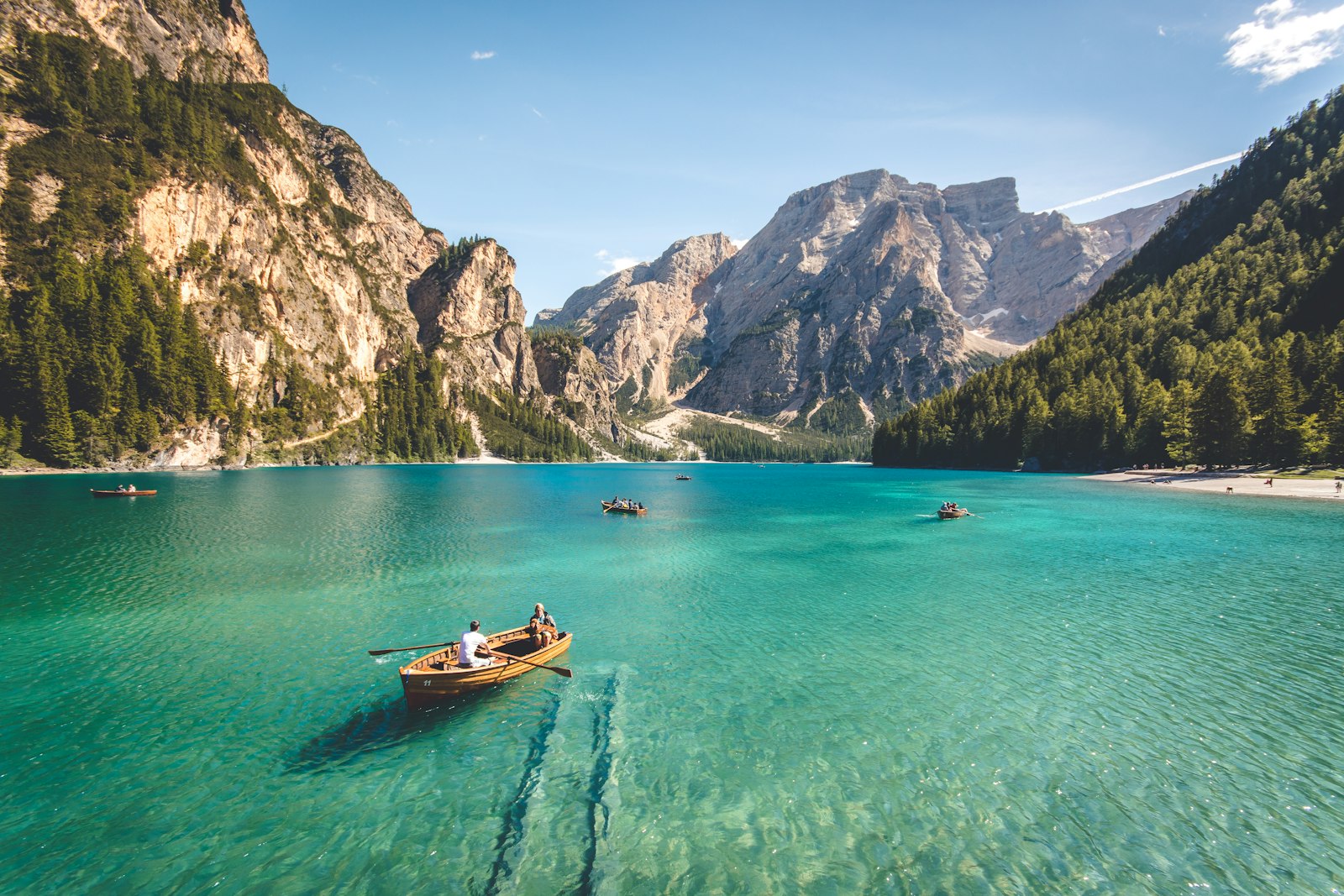
The Land
The geography does the talking here. Volcán Barú stands at 3,474 metres, the highest point in the country, and on a rare clear dawn you can see both the Pacific and the Caribbean from its summit. That ocean-to-ocean view is the kind of thing travelers chase for years and remember for life. The volcano has been quiet for centuries, but its old fire is everywhere underfoot, in the dark fertile soil that makes the whole region grow.
Around the peak sits a patchwork of valleys that each carry their own mood. The Valle de Boquete is the gateway, green and walkable and threaded with rivers that run cold and fast off the slopes. Climb higher into Cerro Punta and the air thins, the temperature drops, and the land turns to terraced farms and horse country wrapped in near-constant mist. The Volcán district spreads out flatter and wider, all open sky and grazing land and long quiet roads. You can move between all three in a single afternoon and feel like you have crossed three small nations.
Getting There
From Panama City you have two honest options. The drive runs about seven hours along the Pan-American Highway, and it is a genuine road trip with ocean on one side and mountains slowly gathering on the other. Break it up, stop for lunch in a roadside fonda, and let the landscape change around you. The faster route is a one-hour flight to David, where Enrique Malek Airport sits in the warm lowlands. From there it is roughly 45 minutes uphill to Boquete, and you feel every degree of cooling as the road climbs.
Rent a vehicle if you can. The highlands reward wandering, and the distances between villages are short enough that a wrong turn becomes a discovery rather than a delay. A car also frees you from fixed schedules, which matters in a place where the best light, the clearest views, and the quietest trails all arrive on their own timing.

What to Do
The Quetzal Trail is the headline walk, a high path that links Cerro Punta and Boquete through cloud forest thick with moss, ferns, and birdsong. It takes most of a day and rewards every hour of it. Serious hikers tackle the pre-dawn climb up Volcán Barú itself, timing the summit for sunrise and that famous double-ocean view. For a gentler half-day, the Lost Waterfalls trail strings together three cascades through dripping green forest, ending at pools cold enough to wake you all the way up.
Birders come for the resplendent quetzal, which nests in these slopes and ranks among the most striking birds in the Americas. Bring patience, bring a good guide, and bring binoculars you trust. Beyond the trails, the region runs on coffee. The farms that line the slopes grow some of the most sought-after beans on earth, and a morning spent watching the harvest, the washing, and the slow drying tells you more about Chiriquí than any museum could. For travelers who want adrenaline, the Chiriquí Viejo river delivers white-water rafting through steep canyons, with rapids that range from playful to genuinely demanding.
The highlands do not perform for visitors. They simply continue, and let you join in.
Best Time to Go
The dry season from January to March is the classic window. Clear mornings, firm trails, and the best odds of a summit view. It is also the busiest stretch, though busy here would count as empty almost anywhere else. Do not write off the green months. From April to December the mist rolls in, the waterfalls swell, the coffee flowers perfume the hillsides, and the crowds thin to almost nothing. Rain here is a feature, not a flaw. It is the reason the forest looks the way it does and the rivers run the way they do.
Practical Tips
A little preparation makes the highlands far more comfortable. Keep these in mind before you head up.
- Altitude is real. Pack a warm layer even if you arrived on the coast in shorts.
- Cash is king in the smaller towns. Do not rely on cards much past Boquete.
- A little Spanish goes a long way and is genuinely appreciated in the villages.
- Give yourself three days minimum. A single day trip only shows you the parking lot.
- Start early. The clearest skies and the best wildlife both belong to the morning.
Chiriquí is not the Panama on the postcards, and that is exactly the point. It is the version that locals keep for themselves, handed quietly to travelers willing to drive a little further inland and stay a little longer than planned.
Frequently Asked Questions
Is Chiriquí safe for families?
Yes. The highland towns around Boquete and Cerro Punta are calm, welcoming, and well used to visitors with children. Trails range from gentle riverside walks to serious climbs, so families can match the day to their youngest member. As anywhere, keep an eye on river currents and let everyone adjust to the altitude during the first day.
Do I need a car to explore the highlands?
A rental vehicle makes the region far easier to enjoy. The villages are close together but spread across separate valleys, and public transport between them is limited and slow. A car turns the highlands into a flexible, self-paced itinerary rather than a series of fixed transfers, which matters when the best conditions arrive on their own schedule.
What is the best time to see the resplendent quetzal?
The breeding season from roughly March to June offers the strongest chance, when the birds are most active and visible around their nesting sites in the cloud forest. Early mornings are best, and a knowledgeable local guide dramatically improves your odds of a sighting, since they know exactly which trees and ridgelines to watch.