7 min read
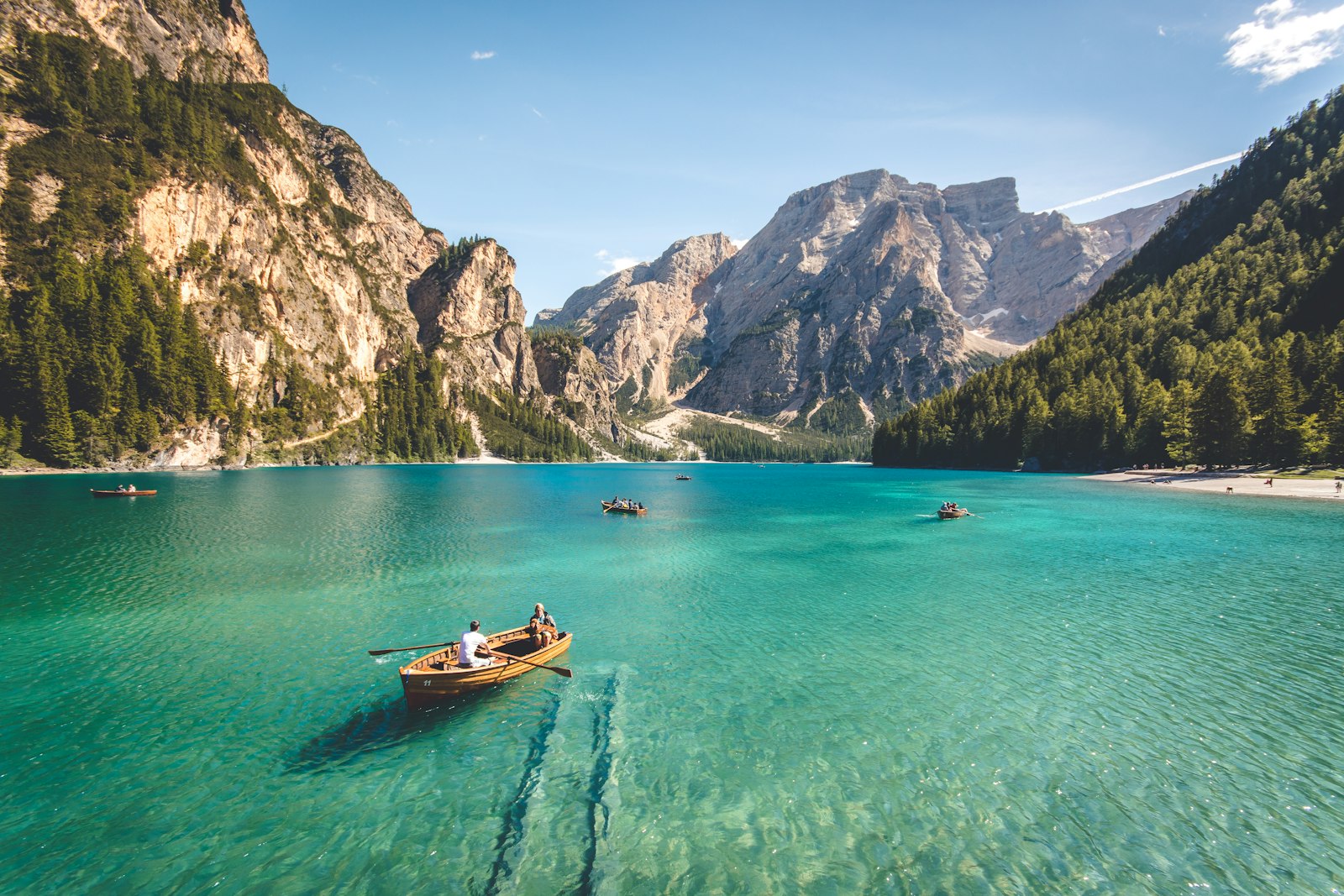
Bocas del Toro is not one place. It is an archipelago of nine major islands and hundreds of islets scattered across the Caribbean side of Panama. The main town sits on Isla Colón. Everything else is an adventure a short boat ride away, and that distance is exactly what keeps each island feeling like its own world.
That structure is the whole appeal. You wake up in a colourful town built on stilts over the water, step onto a water taxi, and within minutes you are somewhere wilder, where the only schedule is the tide. Few places make exploration this easy or this rewarding, and fewer still manage to stay this unpolished while doing it.

The Archipelago
Think of it as a map you actually want to explore. Isla Colón is the hub, home to Bocas Town and most of the lodging, restaurants, and boats. Isla Bastimentos brings rainforest and wildlife, with a national marine park on its doorstep and the famous Red Frog Beach on its shore. Isla Carenero sits a two-minute hop from town and runs slower and softer, all hammocks and lapping water. Swan's Cay draws red-billed tropicbirds to its sea cliffs, and Cayo Coral hides gardens of reef just below a calm, glassy surface.
You do not have to choose only one. Most travelers base themselves on Colón or Carenero and let the boats stitch the rest together across a few unhurried days. Half the fun is deciding each morning which island the day belongs to.
The Water
This is a place to get wet. Snorkelling and scuba reveal coral gardens, warm clear shallows, and the occasional curious ray gliding underneath you. Kayaks open up the mangrove channels, where the water goes still and the birdlife comes close. Surfers chase the breaks at Playa Bluff and Punch Brothers when the swell arrives, and the season can deliver waves with real power. The Bocas Marine Park protects much of what makes the water here special, so respect the markers and listen to the guides who know it.
At Starfish Beach you can wade among the creatures that give it its name, scattered across a sandy bottom in water barely past your knees. They are protected, so look closely and keep your hands to yourself. A photograph lasts longer than a souvenir anyway, and the starfish stay where they belong.
The Town
Bocas Town is small, bright, and loud in the right way. The main strip hums with music and movement well into the night, while the side streets stay calmer and more local, where families sit out on porches and the day winds down slowly. Wooden buildings rise on stilts over the water, and floating docks reach out toward the channel, doubling as swimming platforms and sunset perches. It has a pulse that most island towns lose somewhere along the way. Here it is still beating, and it pulls you into its rhythm without asking.
The Wildlife
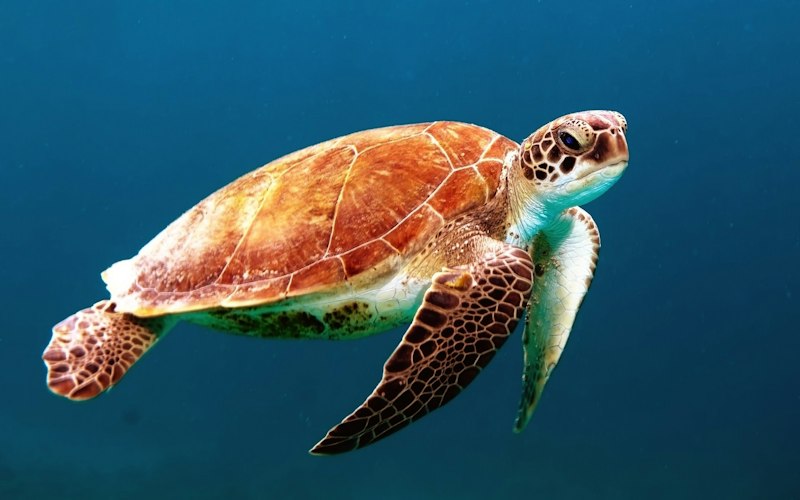
The islands are alive far beyond the waterline. Poison dart frogs flash red across the forest floor of Bastimentos near Red Frog Beach, tiny and impossibly bright. Sloths hang in the canopy, slow and unbothered by the cameras pointed up at them. Howler monkeys announce the dawn whether you asked them to or not, their calls carrying clear across the water. Between March and October, hawksbill turtles come ashore at night to nest on quiet beaches, a sight worth planning an entire trip around and one that stays with you long after.
The best days in Bocas are the ones you do not plan. You point at an island and go.
Getting There and Around
Flights from Panama City reach Bocas in about an hour, landing you almost in the centre of town, with the islands spread out below you on the descent. The overland route is longer and involves a bus and a final water-taxi crossing, but it is cheaper and scenic in its own right. Once you arrive, you rarely need a car at all. Water taxis connect the islands throughout the day, and on Isla Colón a bicycle or a golf cart covers everything you could want. Leave the driving behind and let the boats set your pace.
Bocas del Toro is the island life people imagine before reality usually waters it down. Here, for once, it holds up. Come with loose plans, a dry bag, and the willingness to be redirected by the weather, and the archipelago gives back more than you brought.
Frequently Asked Questions
Is Bocas del Toro good for snorkelling beginners?
Very much so. Many of the best spots, including the shallow reefs around Cayo Coral, sit in calm, warm, clear water with little current. Guided trips provide gear and stay close, which makes the archipelago a comfortable and confidence-building place to try snorkelling for the first time.
What is the best island to stay on in Bocas del Toro?
Isla Colón suits travelers who want to be close to restaurants, nightlife, and transport. Isla Carenero and Isla Bastimentos offer a quieter, more natural base while still being minutes from town by water taxi. Your ideal island depends on whether you want energy or calm at the end of the day.
When is turtle nesting season in Bocas del Toro?
Turtle nesting generally runs from March to October, with hawksbill and other species coming ashore on protected beaches. Always view nesting through certified guides and follow their lighting and distance rules, since disturbance can harm both the nesting females and the hatchlings making their first run to the sea.